
What Is the Most Durable Countertop Material for a Kitchen?
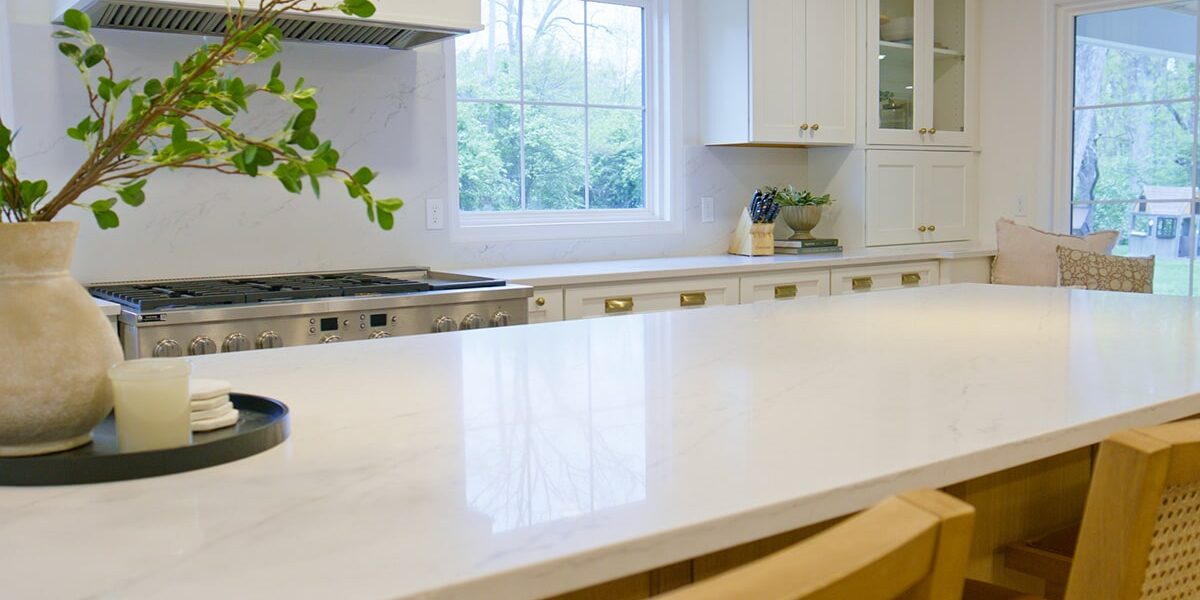
Busy kitchens need countertops that can withstand routine demands, from spills and heat exposure to meal prep and constant use. Granite and quartz are two popular, durable options that offer reliable performance, but each material has unique characteristics to consider.
E&B Granite provides beautifully crafted countertops. We’re here to help homeowners understand the differences among the different countertop material options so they can choose a surface that fits their style, needs, and long-term goals.
What Makes a Countertop Material Truly Durable?
Practical kitchen countertops are designed to handle the challenges of a busy space. A kitchen countertop’s durability should be evaluated by:
- Stain resistance against liquids, food dyes, spices, and produce
- Heat resistance from hot pots, pans, bowls, and nearby appliances
- Moisture resistance to withstand humidity, spills, and daily kitchen use
- Scratch and impact resistance to help prevent chips, scratches, and surface wear. In the stone industry, this durability is measured scientifically using the Mohs Hardness Scale, which ranks minerals from 1 (softest) to 10 (hardest).
The best countertops also offer easy maintenance for busy homeowners. With the right material, you can enjoy a beautiful, functional surface without the constant worry of stains, scuffs, or special care requirements.
Granite or Quartz: Which Performs Best?
Granite and quartz countertops each offer a unique combination of durability, functionality, and timeless style.
Granite Countertops
Granite is a natural stone countertop option known for its timeless appearance, unique patterns, and impressive durability. It offers excellent resistance against scratches, heat, and everyday kitchen wear. Ranking at a 6 to 7 on the Mohs Hardness Scale, it is harder than most common kitchen utensils, meaning knives won’t easily scratch its surface. With proper care, granite countertops can maintain their beauty for decades. The primary maintenance requirement is periodic sealing, which helps protect the surface from stains and keeps it looking its best.
Quartz Countertops
Quartz is an engineered countertop material made from a combination of crushed quartz minerals, resins, and pigments. This manufacturing process creates a highly consistent surface available in a wide range of colors and patterns while also enhancing durability. Because the surface is nonporous, quartz does not require regular sealing and offers excellent resistance to stains, spills, and natural wear. While it performs well in busy kitchens, it is less heat-resistant than natural stone options like granite. Because engineered quartz contains polymer resins as binders, direct contact with objects exceeding 150°F to 300°F can permanently discolor or crack the surface. Using trivets or heat protection with hot cookware is highly recommended.
Choosing the Best Countertop Material for Your Lifestyle
The best countertop material depends on how you use your kitchen, from daily meal preparation to weekend entertaining. Granite and quartz each offer unique benefits, but granite stands out for homeowners who want natural beauty, exceptional durability, and long-term performance. Check out our kitchen countertop gallery.
Best for Busy Family Kitchens
Busy kitchens need surfaces that can handle spills, heat, and everyday activity. Granite is incredibly durable and resistant to damage when well maintained, making it a dependable choice for families who want a countertop that can keep up with their routines. Quartz is another popular option for busy households thanks to its nonporous surface and low-maintenance design, while granite offers the added benefit of natural stone character and durability.
Best for Frequent Cooking and Entertaining
For homeowners who spend a lot of time cooking or hosting guests, granite is a top choice. Its heat resistance and strong surface make it ideal for active kitchens, while proper sealing helps protect against stains from common ingredients and spills.
Best for Long-Term Value
When choosing a countertop, durability and lasting beauty are important considerations. Granite offers timeless appeal with unique colors and natural variations that can complement a wide range of kitchen styles. Quartz provides a consistent appearance with minimal maintenance while delivering a luxurious, natural stone look that can enhance a home’s design.
Find the Right Countertop With Guidance From E&B Granite
The right countertop can bring your whole kitchen together for years to come. Explore your possibilities and schedule a consultation with E&B Granite. Our team can work with you to compare different quartz and granite options, so you have durable kitchen countertops you love.
Frequently Asked Questions
What is the most durable countertop material for a kitchen?
Granite and quartz are two popular, durable options. Granite ranks 6 to 7 on the Mohs Hardness Scale, which is harder than most common kitchen utensils, so knives will not easily scratch it. Quartz is nonporous and resists stains well, but it is less heat resistant than granite.
How do granite and quartz countertops compare for heat?
Granite offers excellent resistance to heat and everyday kitchen wear, which makes it well suited to active kitchens. Quartz contains polymer resins as binders, so direct contact with very hot cookware can permanently discolor or crack the surface. Using trivets or heat protection with hot cookware is highly recommended.
Does granite need sealing?
Yes. The primary maintenance requirement for granite is periodic sealing, which helps protect the surface from stains and keeps it looking its best. With proper care, granite countertops can maintain their beauty for decades. Quartz is nonporous, so it does not require regular sealing.